The Power of Storytelling in Early Childhood Education, Storytelling has been a timeless tradition, passed from one generation to the next. In early childhood education, storytelling is not just a fun activity—it is a powerful tool that shapes a child’s mind, imagination, and emotional growth. This article explores why storytelling is essential, how it benefits young learners, and practical ways to integrate stories into daily learning.
What is Storytelling in Early Childhood Education?
Storytelling in early childhood education refers to the art of narrating tales, fables, or imaginative stories to young children, usually aged 2 to 10. Unlike mere reading, storytelling involves interaction, expression, and engagement. Teachers and parents use stories to convey morals, teach language skills, and foster creativity.
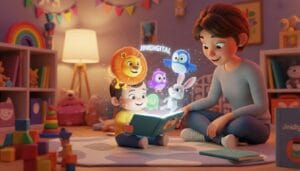
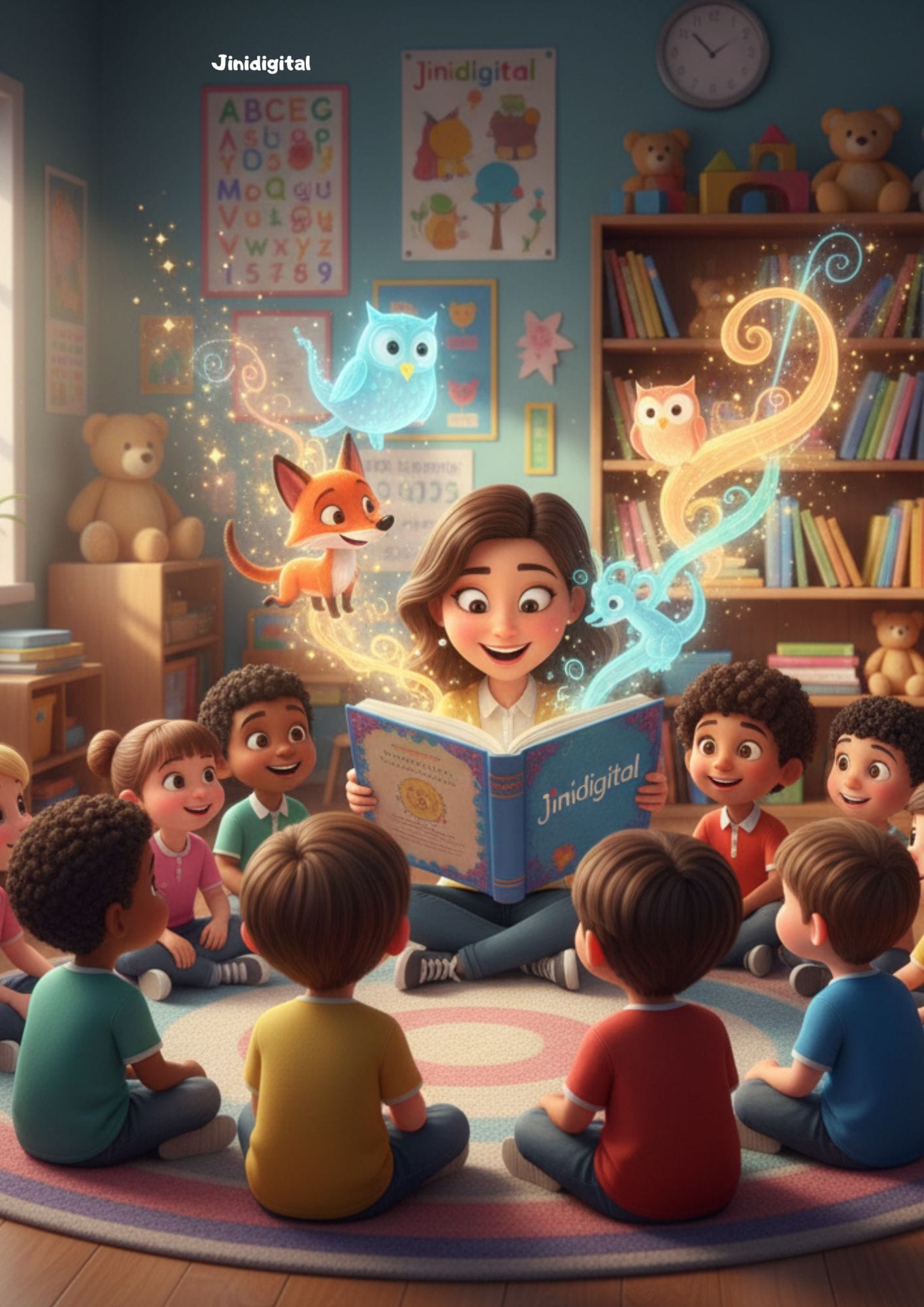
It is a multi-sensory experience—combining words, gestures, facial expressions, and sometimes props or digital visuals. Whether told in the classroom, at bedtime, or through animated eBooks, storytelling leaves a lasting impact on a child’s cognitive and emotional development.
Why Storytelling is Vital for Young Learners
1. Boosts Imagination and Creativity
One of the most significant benefits of storytelling in early childhood education is its ability to expand imagination. When children listen to stories, they picture characters, settings, and events in their minds. This mental visualization encourages creative thinking, problem-solving, and innovation.
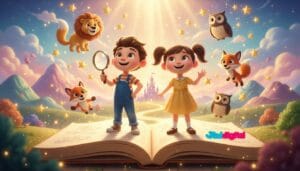
For example, tales like The Lion and the Mouse or The Fox and the Crow allow children to imagine animal characters acting like humans, stimulating their ability to think creatively and explore new ideas.
2. Enhances Language and Communication Skills
Storytelling exposes children to rich vocabulary, sentence structures, and expressive language. Listening to stories helps them understand grammar intuitively, pick up new words, and learn the rhythm of language. By retelling stories or participating in discussions, children improve their verbal communication and build confidence in speaking.
Educators often combine storytelling with interactive questioning: “What would you do if you were the fox?” This encourages children to articulate thoughts clearly, reinforcing language development.
3. Develops Emotional Intelligence
Through stories, children experience various emotions, from joy to fear, sadness to empathy. Storytelling in early childhood education provides a safe space to understand feelings and develop emotional intelligence. When a story emphasizes kindness, honesty, or courage, children learn to relate these qualities to real-life situations.
For example, the story of The Shepherd and the Lion teaches patience and resilience, helping children recognize and manage emotions in challenging circumstances.
4. Strengthens Moral and Ethical Understanding
Stories often carry morals that guide behavior. Incorporating storytelling in early childhood education introduces concepts like honesty, sharing, fairness, and empathy. These lessons are absorbed naturally, without formal lectures, making them more memorable and impactful.
Animated digital storybooks and illustrations can make these morals visually engaging, increasing retention and interest in young learners.
5. Encourages Social Skills and Collaboration
Storytelling frequently involves group participation. Whether through role-playing, dramatization, or discussion, children learn to listen, wait their turn, and respect others’ opinions. Storytelling in early childhood education fosters social interaction, teamwork, and cooperative learning, preparing children for future classroom and social environments.
How to Integrate Storytelling in Early Childhood Education
- Interactive Story Sessions
Use props, puppets, or visuals to make stories more engaging. Ask children questions and invite them to predict what happens next. - Digital Storytelling Tools
Utilize animated eBooks, apps, and videos to enhance traditional storytelling. Children respond well to colorful visuals and engaging narration. - Role Play and Dramatization
Encourage children to act out stories. This builds confidence, expression, and comprehension. - Personal Storytelling
Allow children to create and share their own stories. This nurtures creativity, self-expression, and critical thinking. - Regular Reading and Story Time
Dedicate a specific time each day for storytelling. Consistency reinforces learning and develops a love for reading.
Benefits of Storytelling in Early Childhood Education – Summary
- Imagination and Creativity – Sparks innovative thinking and problem-solving.
- Language Development – Enhances vocabulary, grammar, and expression.
- Emotional Intelligence – Helps children understand and manage emotions.
- Moral Growth – Teaches values naturally and effectively.
- Social Skills – Builds collaboration, empathy, and teamwork.
Conclusion
The power of storytelling in early childhood education is undeniable. It is more than just an entertaining activity; it is a multifaceted educational tool that nurtures a child’s mind, heart, and soul. From boosting imagination and language skills to developing moral and social intelligence, storytelling equips children with essential life skills.
Parents and educators who integrate storytelling into daily routines can witness transformative growth in children—turning simple tales into profound lessons for life. With modern tools like digital eBooks, animated stories, and interactive sessions, the art of storytelling continues to evolve, making learning more engaging, enjoyable, and meaningful for the next generation.
Explore more inspiring kids’ stories and interactive eBooks on
where imagination meets moral learning.